15 Pet Safe Plants That Bring Life to Your Living Room
Living rooms flourish when adorned with lush greenery, yet pet owners often hesitate to bring nature indoors. The fear of toxic leaves threatening curious cats and playful dogs keeps many spaces bare and lifeless.
However, a stunning collection of fifteen pet-safe plants exists to transform any living area into a vibrant sanctuary. These botanical wonders offer cascading fronds, striking patterns, and air-purifying qualities while keeping furry companions perfectly safe.
Find out how each variety brings its own enchanting touch to your home.
Quick Summary
- Spider plants, Boston ferns, and parlor palms are non-toxic options that purify air while thriving in various light conditions.
- Prayer plants and calatheas offer dramatic foliage with unique leaf movements, perfect for adding visual interest to pet-safe spaces.
- Bamboo palms and rattlesnake plants create tropical atmosphere while tolerating low light and releasing beneficial humidity into rooms.
- Pet-safe succulents like Haworthia and air plants require minimal care, making them ideal for busy households with animals.
- Polka dot plants add vibrant color splashes to windowsills and bathrooms while remaining completely safe for curious pets.
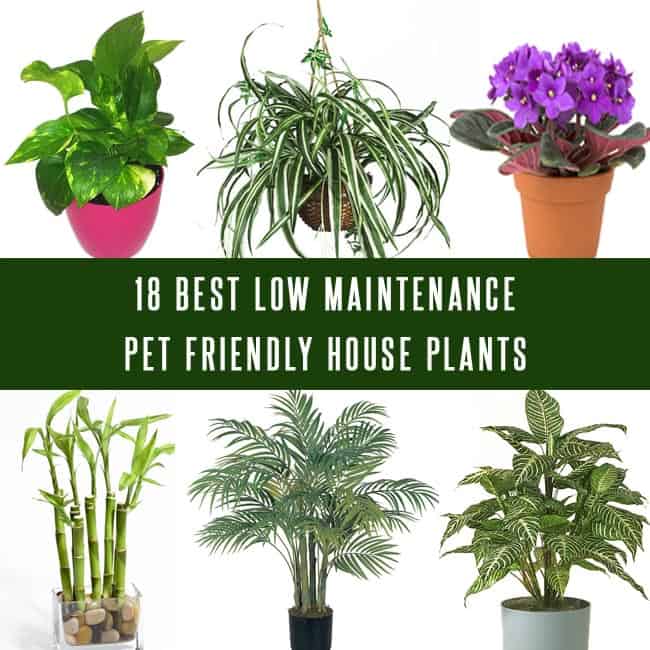
Spider Plant (Chlorophytum Comosum)
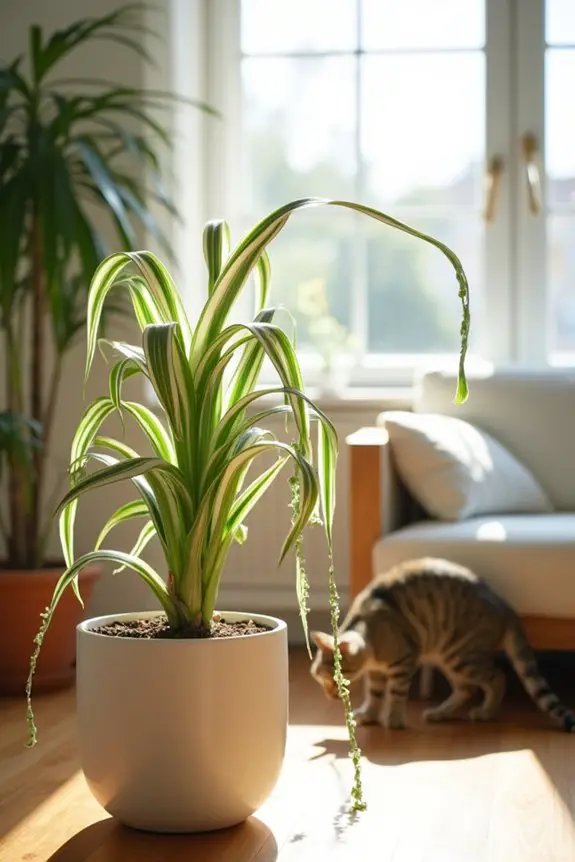
With its cascading ribbons of green and white striped foliage, the spider plant brings an effortless elegance to any room while keeping curious cats and playful pups completely safe.
Spider plant benefits extend beyond safety, as these beauties purify indoor air and propagate adorable baby plantlets that dangle like ornaments.
Spider plant care requires minimal effort, thriving in bright indirect light with weekly watering sessions. Their graceful arching leaves create a waterfall effect from hanging baskets or high shelves, transforming ordinary corners into lush retreats.
This resilient companion forgives occasional neglect, making it perfect for busy pet owners.
Boston Fern (Nephrolepis Exaltata)
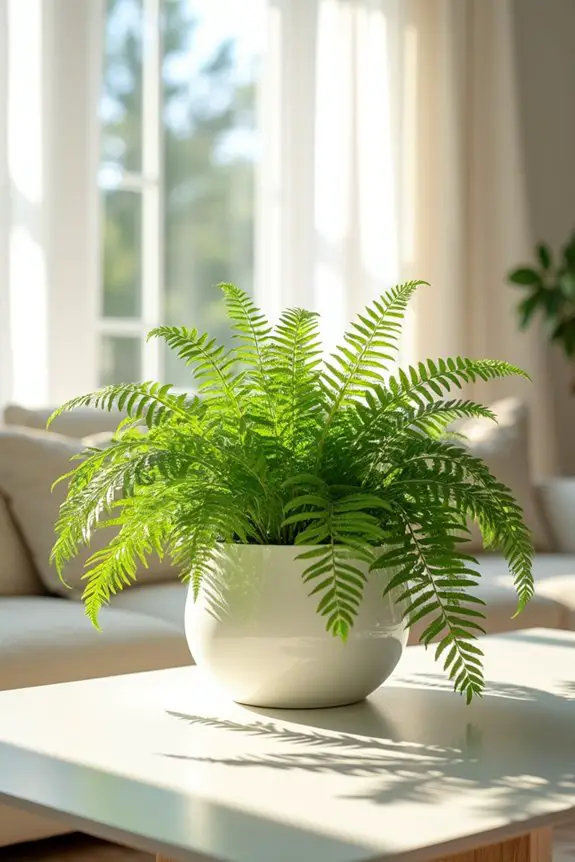
The Boston fern transforms living spaces into Victorian-era conservatories with its lush, feathery fronds that cascade dramatically from hanging planters and tabletops.
Boston fern care requires consistent moisture and indirect sunlight, rewarding dedicated plant parents with vibrant emerald growth that purifies indoor air naturally.
Boston fern benefits include:
- Air purification – Filters formaldehyde and toxins while releasing fresh oxygen throughout the day
- Humidity boost – Creates comfortable moisture levels that soothe dry skin and respiratory passages
- Pet safety – Completely non-toxic for curious cats and playful dogs
This delicate yet tough houseplant flourishes in moderate sunlight and humid conditions with regular watering.
These graceful beauties invite tranquility into modern homes.
Parlor Palm (Chamaedorea Elegans)
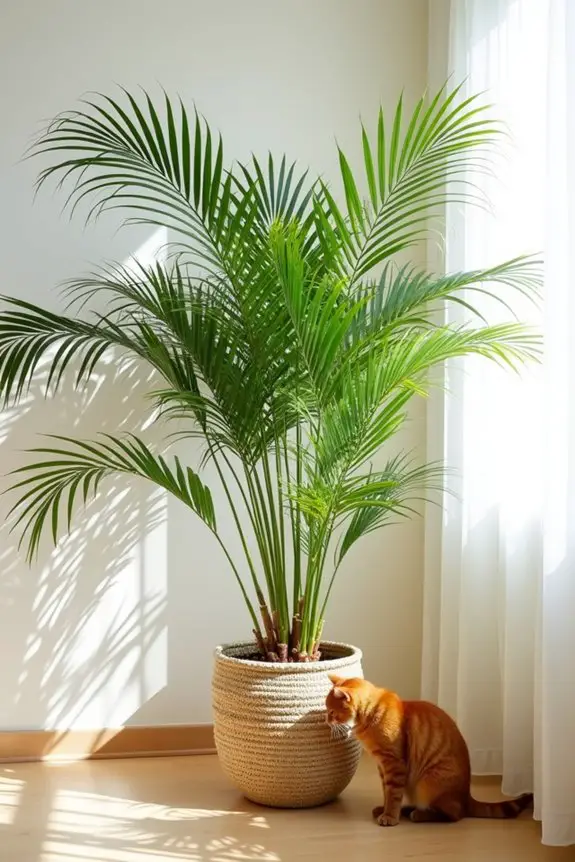
Bringing tropical elegance into compact spaces becomes effortless when parlor palms grace corners with their slender stems and delicate, arching fronds.
These pet-friendly beauties thrive in low-light conditions, making them perfect for dimmer living rooms where other plants might struggle.
Following basic parlor palm care tips ensures success: water when soil feels dry, maintain moderate humidity, and keep temperatures between 65-80°F.
The parlor palm benefits extend beyond safety, as feathery green fronds purify indoor air while creating a serene, jungle-inspired atmosphere.
Their slow growth pattern means minimal pruning, allowing peaceful coexistence with curious cats and playful dogs year-round.
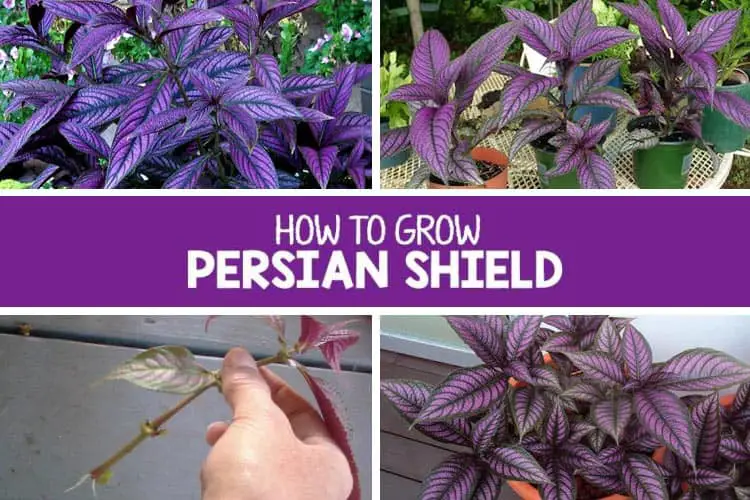
Prayer Plant (Maranta Leuconeura)
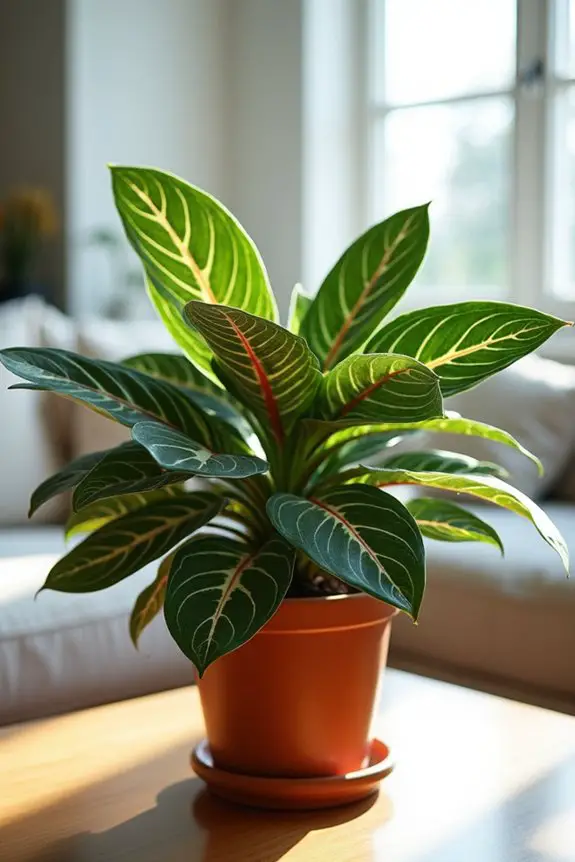
Dramatic foliage movements captivate plant lovers when prayer plants fold their patterned leaves upward each evening, mimicking hands joined in contemplation.
These stunning specimens showcase emerald leaves adorned with crimson veins and dark green patterns that transform any corner into a botanical sanctuary.
Prayer plant care rewards attentive owners with thriving displays of nature’s artistry while keeping curious cats and playful pups completely safe.
Prayer plant benefits include:
- Air purification that naturally freshens indoor spaces throughout day and night
- Low light tolerance perfect for dimmer rooms lacking bright window access
- Compact growth habits ideal for tabletops, shelves, and cozy apartment living
Calathea (Calathea Spp.)
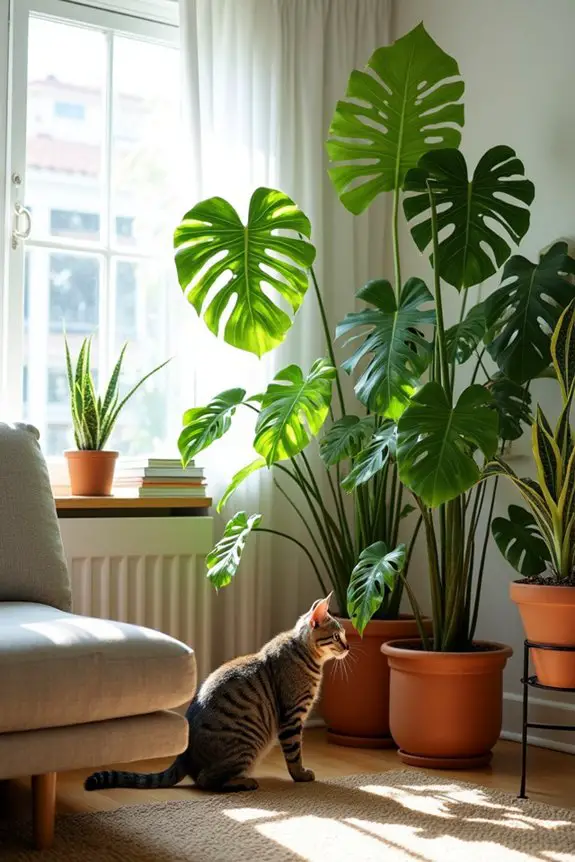
Nature’s living artwork unfolds through Calathea varieties that showcase some of the most mesmerizing leaf patterns available to indoor gardeners.
These stunning plants display painted strokes of deep purples, vibrant greens, and soft pinks across their foliage, creating breathtaking focal points.
| Calathea Care Aspect | Requirements |
|---|---|
| Light Needs | Bright, indirect sunlight |
| Watering Schedule | Keep soil consistently moist |
| Humidity Level | 60% or higher preferred |
| Temperature Range | 65-80°F ideal |
| Pet Safety | Completely non-toxic |
Calathea varieties flourish in warm, humid environments where their distinctive leaves can unfurl magnificently, bringing tropical elegance into pet-friendly homes.
Peperomia (Peperomia Spp.)
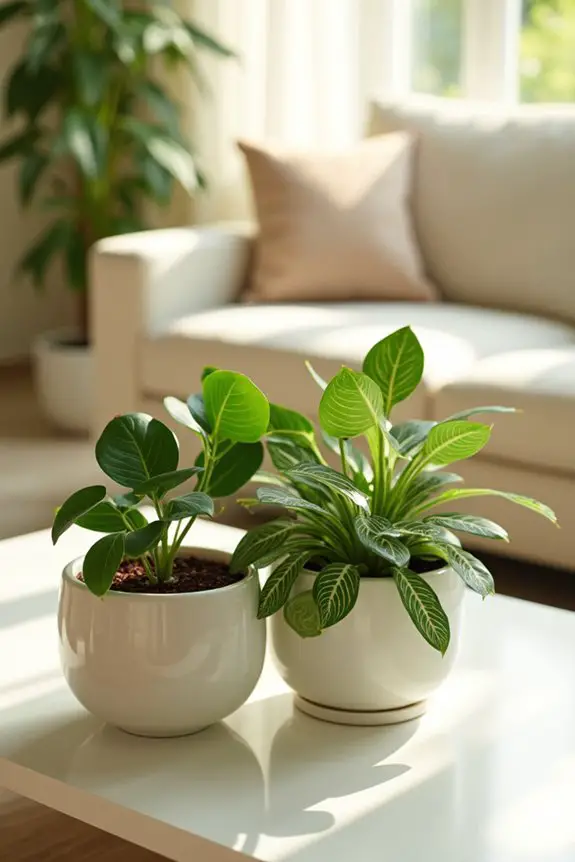
Compact and charming, Peperomia plants deliver impressive visual appeal in delightfully manageable sizes perfect for smaller living spaces.
These pet-friendly treasures showcase glossy leaves in stunning shades of emerald, burgundy, and silvery stripes that catch sunlight beautifully throughout the day.
Peperomia care remains wonderfully simple for busy plant enthusiasts:
- Water sparingly when soil feels completely dry to prevent root rot
- Place in bright, indirect light near east or west-facing windows for optimal growth
- Maintain moderate humidity through occasional misting or pebble trays
With hundreds of Peperomia varieties available, collectors can create captivating displays featuring diverse textures and patterns that transform ordinary shelves into living galleries.
African Violet (Saintpaulia Ionantha)
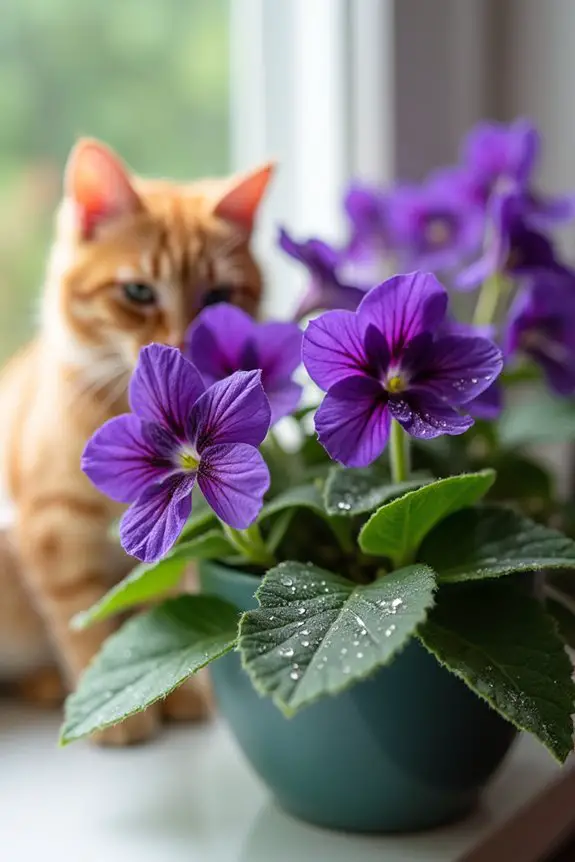
When delicate blooms unfurl in shades of violet, pink, and pure white, African Violets transform windowsills into enchanting floral displays that captivate plant lovers year-round.
These compact beauties thrive in bright indirect light and consistently moist soil, making African violet care surprisingly manageable for beginners. Their velvety leaves create soft rosettes beneath cheerful flowers that bloom continuously with proper attention.
African violet propagation proves remarkably simple through leaf cuttings placed in water or soil, allowing enthusiasts to multiply their collection effortlessly.
Best of all, these charming plants pose zero threat to curious cats and dogs exploring nearby shelves.
Areca Palm (Dypsis Lutescens)
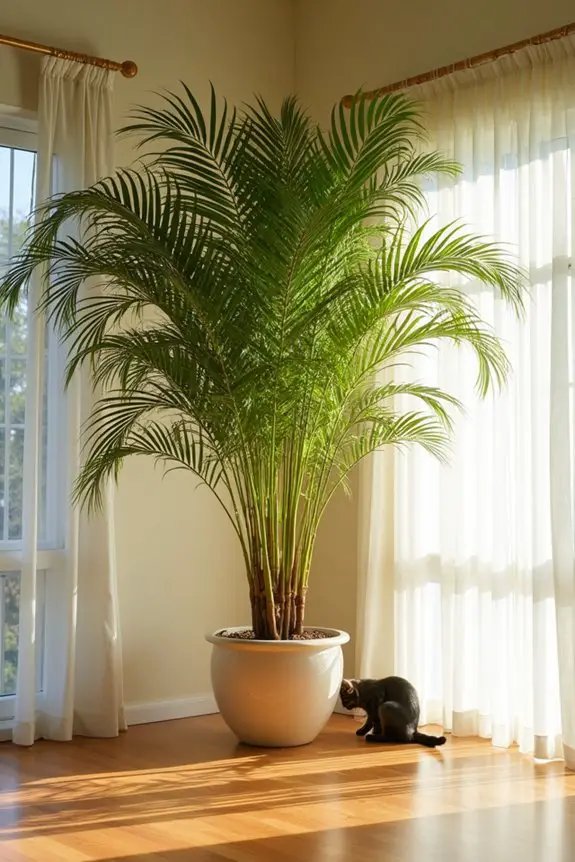
With gracefully arching fronds that cascade like golden-green fountains, Areca Palms bring instant tropical elegance to any interior space while maintaining complete safety for beloved pets.
Areca palm care proves remarkably straightforward for plant enthusiasts of all experience levels:
- Position near bright, filtered sunlight where soft rays illuminate those feathery leaves.
- Water consistently when topsoil feels dry, maintaining gentle moisture without oversaturation.
- Mist fronds weekly to recreate humid tropical conditions indoors.
The areca palm benefits extend beyond aesthetics, naturally purifying air while transforming ordinary rooms into serene jungle retreats.
These magnificent specimens create peaceful sanctuaries where families and furry companions coexist harmoniously.
Ponytail Palm (Beaucarnea Recurvata)
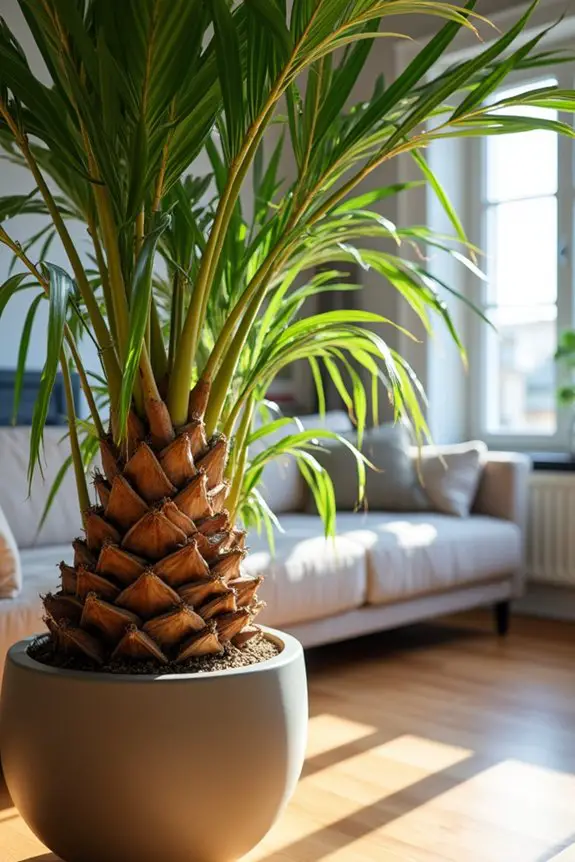
Resembling a whimsical Dr. Seuss creation, this striking succulent features a bulbous trunk crowned with cascading emerald ribbons that dance gracefully in any breeze.
The ponytail palm benefits include impressive drought tolerance and minimal maintenance needs, making it perfect for busy pet owners seeking greenery without worry.
Understanding ponytail palm care proves delightfully simple: provide bright indirect light, water sparingly when soil dries completely, and watch it thrive for decades.
Its sculptural silhouette adds architectural drama to corners and entryways, while its completely non-toxic nature ensures curious cats and playful pups remain perfectly safe during their indoor adventures.
Haworthia (Haworthia Spp.)
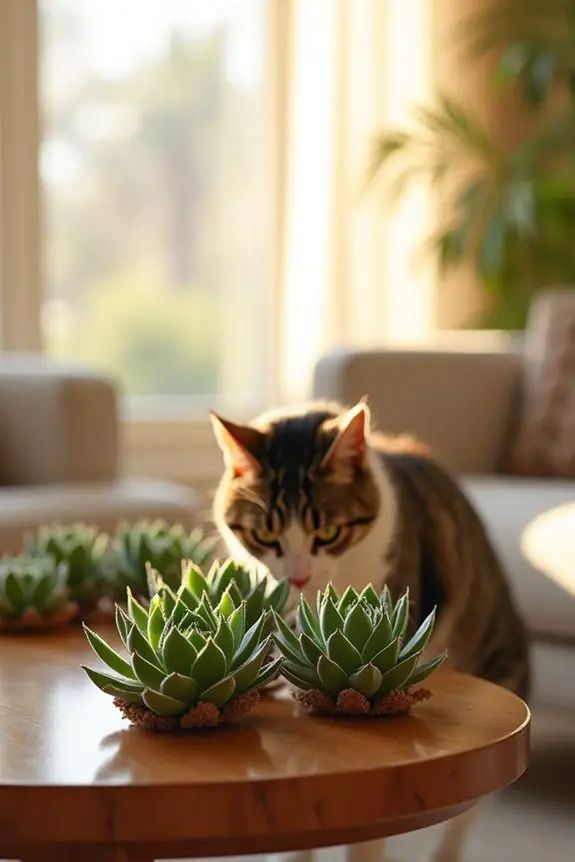
Miniature rosettes of emerald and jade create living geometric sculptures that transform windowsills into enchanting desert galleries perfect for homes with curious pets.
These striped succulents thrive with minimal attention, making Haworthia care delightfully simple for busy plant lovers seeking worry-free greenery.
Essential growing tips include:
- Place near bright, indirect light where morning sun gently kisses the leaves
- Water sparingly every two weeks, allowing soil to dry completely between drinks
- Choose well-draining cactus mix to prevent root rot
Haworthia varieties showcase stunning patterns from zebra stripes to pearl-dotted leaves, offering endless collecting possibilities that spark joy without endangering furry companions.
Air Plants (Tillandsia Spp.)
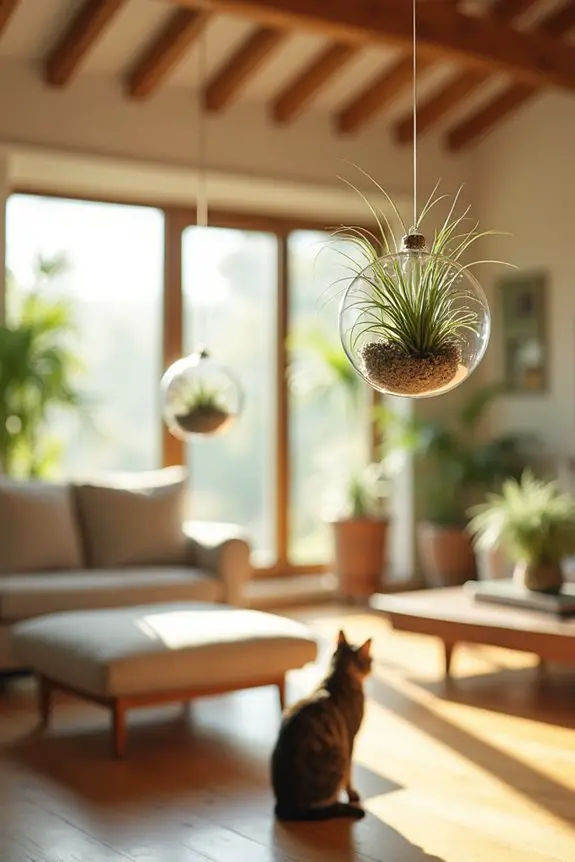
Floating gardens of silvery fronds bring otherworldly enchantment into pet-friendly homes without requiring a single spoonful of soil.
Air plant varieties display mesmerizing forms, from delicate wispy tendrils to bold geometric rosettes in shades of sage, pewter, and dusty rose.
These remarkable specimens absorb moisture through specialized scales, creating living sculptures that perch gracefully on driftwood, nestle inside glass orbs, or dangle from copper wire.
Air plant care proves wonderfully simple with weekly misting and monthly soaking rituals. Their non-toxic nature ensures cats and dogs remain safe while owners cultivate miniature aerial ecosystems that transform ordinary spaces into botanical dreamscapes.
Bamboo Palm (Chamaedorea Seifrizii)
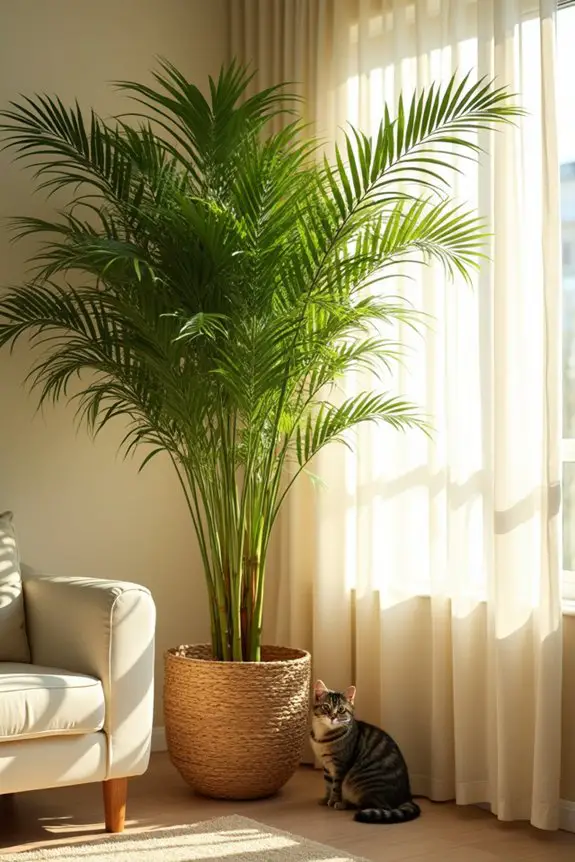
Graceful clusters of slender green canes rise from the floor like nature’s own fountain, transforming any corner into a lush tropical retreat where pets can safely explore.
The bamboo palm benefits include natural air purification and gentle humidity release, creating fresher indoor environments for the entire household.
Bamboo palm care remains wonderfully simple for busy plant lovers.
Essential Growing Tips:
- Place near bright, filtered windows away from harsh direct sunlight that scorches delicate fronds.
- Water when the top inch feels dry, maintaining consistently moist soil throughout warmer months.
- Mist leaves weekly to replicate tropical conditions and prevent browning tips.
Polka Dot Plant (Hypoestes Phyllostachya)
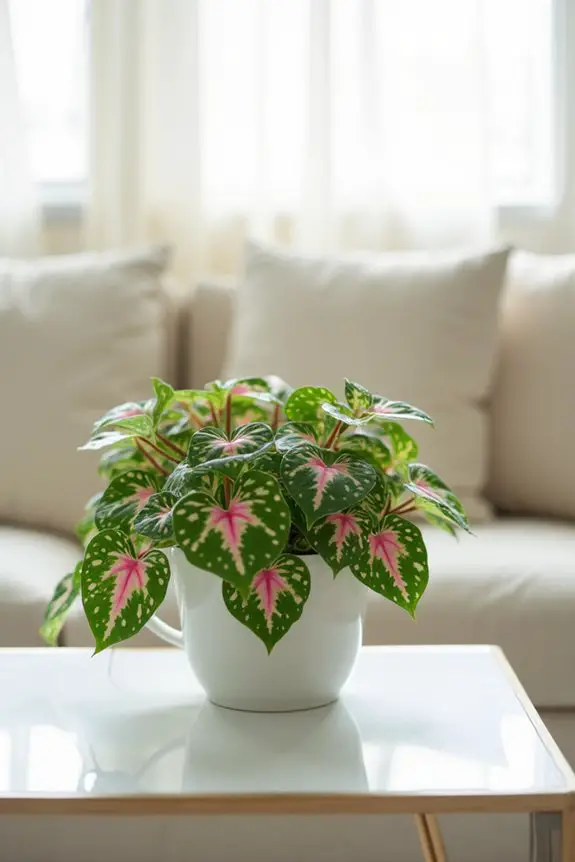
While towering palms bring vertical drama to indoor spaces, splash patterns of pink, red, and white dance across small leaves to create an entirely different kind of visual enchantment.
The Polka Dot Plant transforms windowsills into miniature gardens of confetti-like color that cats and dogs can safely explore.
Polka dot care requires consistent moisture and bright indirect light to maintain those signature spotted leaves.
Polka dot propagation happens easily through stem cuttings placed in water, allowing plant enthusiasts to multiply their collection within weeks.
These compact beauties thrive in humid environments, making bathrooms and kitchens ideal display locations.
Rattlesnake Plant (Calathea Lancifolia)
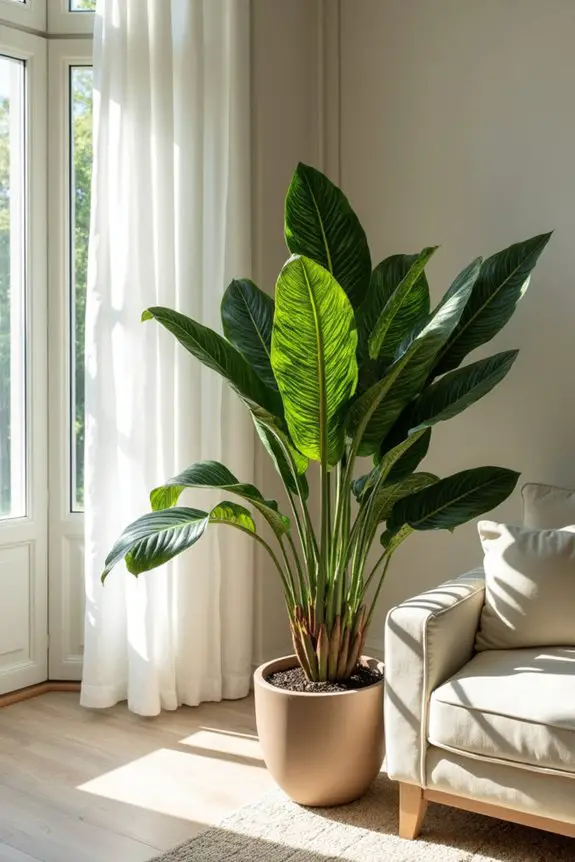
Rattlesnake plant benefits include:
- Air-purifying qualities that refresh indoor spaces naturally
- Pet-safe foliage that protects curious cats and dogs
- Low-light tolerance that thrives in shaded corners
Watch leaves fold upward each evening, creating a mesmerizing daily ritual that brings wonder into your home.
Friendship Plant (Pilea Involucrata)
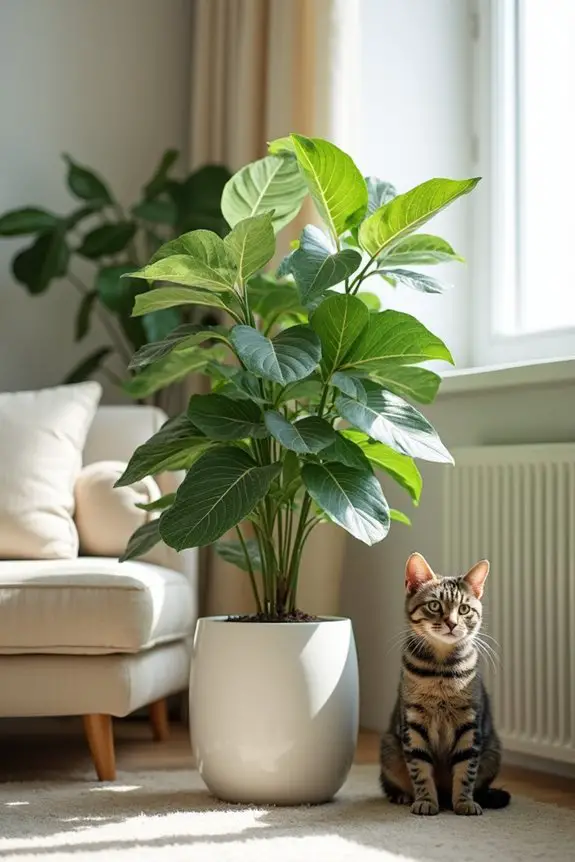
Beyond dramatic foliage displays, some houseplants charm with textured leaves that beg to be touched and admired up close.
The Friendship Plant showcases deeply quilted, bronze-green foliage with silver veining that catches light beautifully throughout the day.
Friendship plant care remains refreshingly simple, requiring bright indirect light and consistently moist soil to maintain its lustrous appearance.
The real enchantment emerges through friendship plant propagation, where stem cuttings root effortlessly in water or soil.
Pet owners can confidently position this non-toxic beauty on low shelves where curious cats and dogs explore freely, creating safe green sanctuaries filled with touchable botanical wonder.
Popular Questions
What Should I Do if My Pet Eats a Large Amount of Safe Plants?
Even safe plants may cause digestive upset when consumed in large quantities. One should monitor their pet symptoms closely, including vomiting or diarrhea. If concerning signs develop, contact an emergency vet immediately for professional guidance and treatment.
Can Pet-Safe Plants Still Cause Allergic Reactions in Sensitive Animals?
Yes, even gentle greenery can trigger troubles. Pet-safe plants may still provoke allergic reactions in sensitive animals, manifesting as itching, sneezing, or digestive upset. Each creature’s immune system responds uniquely, making veterinary consultation essential when symptoms appear.
How Do I Prevent My Cat From Digging in Plant Soil?
Cat owners can prevent digging by placing physical soil barriers like decorative rocks or mesh screens over plant soil. Alternatively, natural cat deterrents such as citrus peels or double-sided tape around pots effectively discourage feline interference.
Are Fertilizers and Pesticides Safe to Use on Pet-Friendly Plants?
Like a garden’s protective guardian wielding both shield and sword, most fertilizers and pesticides aren’t safe. Pet owners should choose organic fertilizer types and natural pesticide alternatives like neem oil to protect their beloved companions from harmful chemical exposure.
Which Pet-Safe Plants Require the Least Amount of Natural Light?
Snake plants and peace lilies thrive in low-light conditions, making them ideal choices for dimly lit spaces. Both tolerate indirect light well and require minimal sun exposure while remaining safe for pets in the household.