10 Unusual Edible Flowers That Add Color to Your Garden
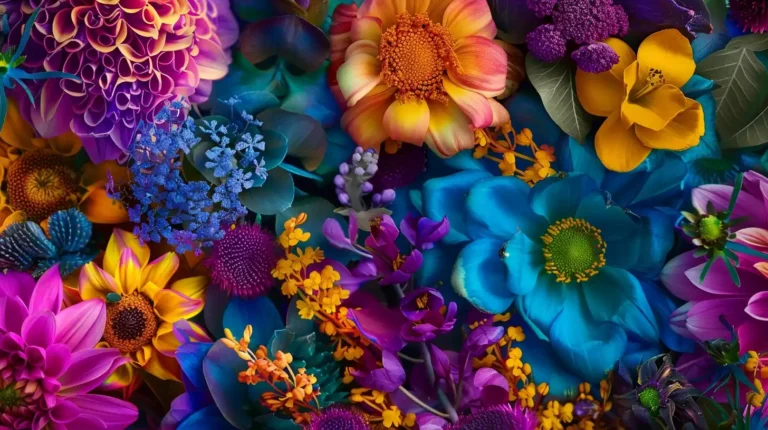
Gardens bursting with edible flowers transform ordinary outdoor spaces into enchanting culinary landscapes. These unusual blooms offer far more than mere beauty, they deliver surprising flavors, from cucumber-cool borage to licorice-sweet anise hyssop.
Imagine plucking vibrant petals straight from your garden beds to garnish summer salads or elevate desserts with natural elegance. Each flower brings its own personality: citrus-tart begonias, peppery golden calendula, and crimson runner bean blossoms that few gardeners know they can eat.
Quick Summary
- Daylilies offer golden-orange blooms with sweet, crisp textures, rich in vitamin C and antioxidants for culinary dishes.
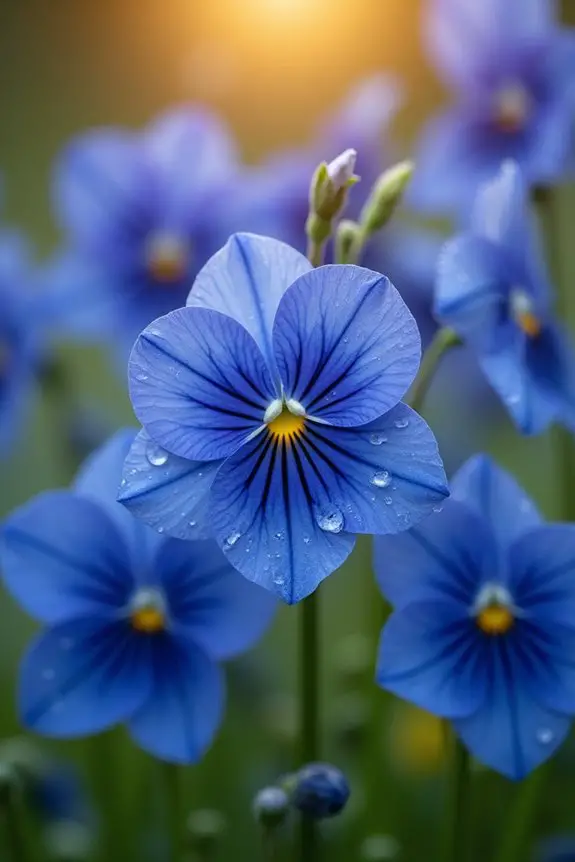
- Borage produces brilliant blue star-shaped flowers with cucumber flavor, thriving in full sun for salads and garnishes.
- Scarlet Runner Bean blossoms provide crimson color and mildly sweet taste while attracting hummingbirds to gardens.
- Tuberous Begonias feature ruffled petals in coral and pink with citrus flavor, blooming continuously in containers.
- Anise Hyssop grows tall purple spikes with licorice-flavored blooms, attracting butterflies while requiring minimal water.
Daylilies: Sweet, Crunchy Petals With a Mild Flavor
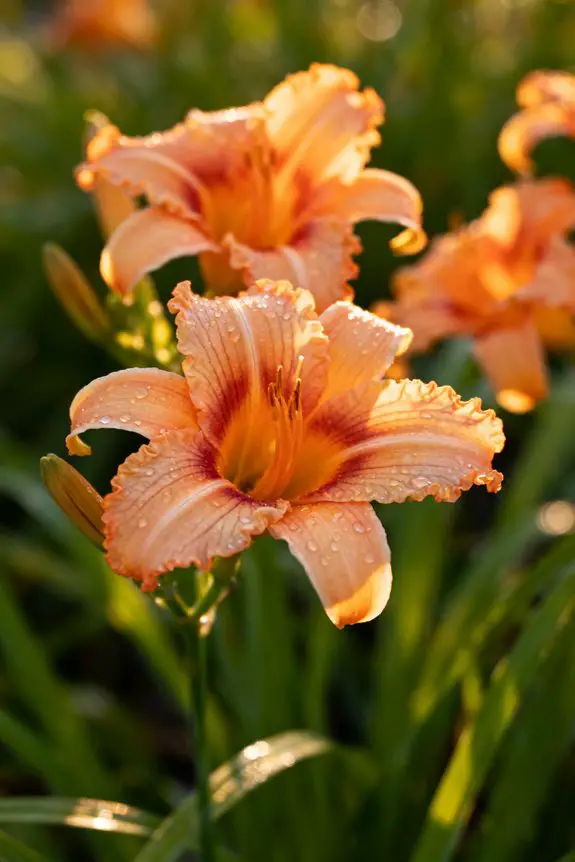
Sunshine transforms into petals when daylilies bloom, offering gardeners both visual splendor and delightful culinary possibilities.
These golden-orange blossoms provide sweet, crisp textures that elevate salads and garnish elegant dinner plates beautifully. Daylily recipes range from tempura-fried buds to fresh petal additions in stir-fries, each showcasing their gentle, slightly peppery taste.
Beyond their aesthetic charm, daylily health benefits include vitamin C and antioxidants that support wellness naturally.
Harvest blooms in early morning when petals feel firm and vibrant, then rinse gently before adding to your favorite dishes for instant color and nutrition.
Borage: Cucumber-Flavored Blue Stars
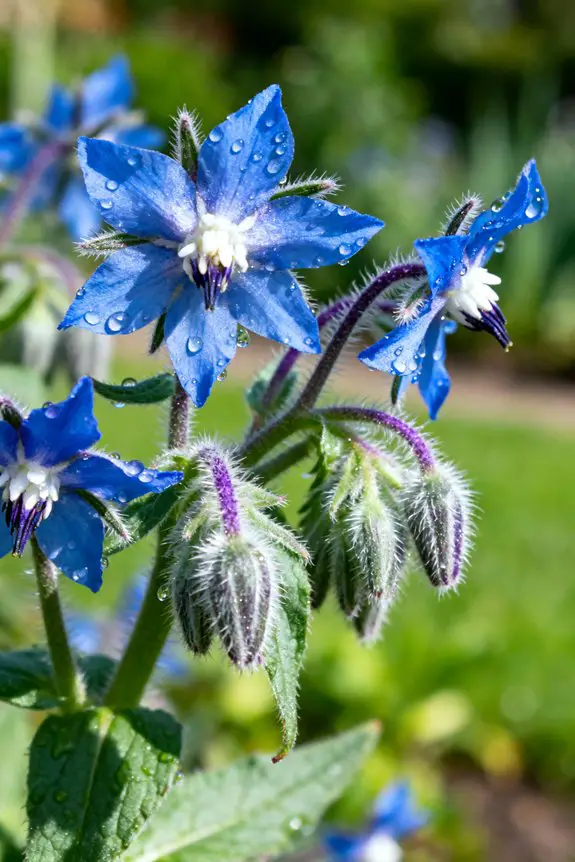
While golden daylilies bring warmth to summer gardens, the enchanting borage plant captivates with brilliant blue star-shaped flowers that taste remarkably like fresh cucumbers.
These delicate blooms transform ordinary dishes into extraordinary culinary creations, offering numerous borage benefits including anti-inflammatory properties and high mineral content.
| Growing Needs | Harvest Time | Best Uses |
|---|---|---|
| Full sun | Spring to fall | Fresh salads |
| Well-drained soil | Morning hours | Cocktail garnishes |
| Self-seeding | Before wilting | Frozen in ice cubes |
| Drought-tolerant | Peak bloom | Simple borage recipes |
These stunning azure stars elevate any garden space into a wondrous edible paradise.
Scarlet Runner Bean Blossoms: A Legume’s Hidden Treasure
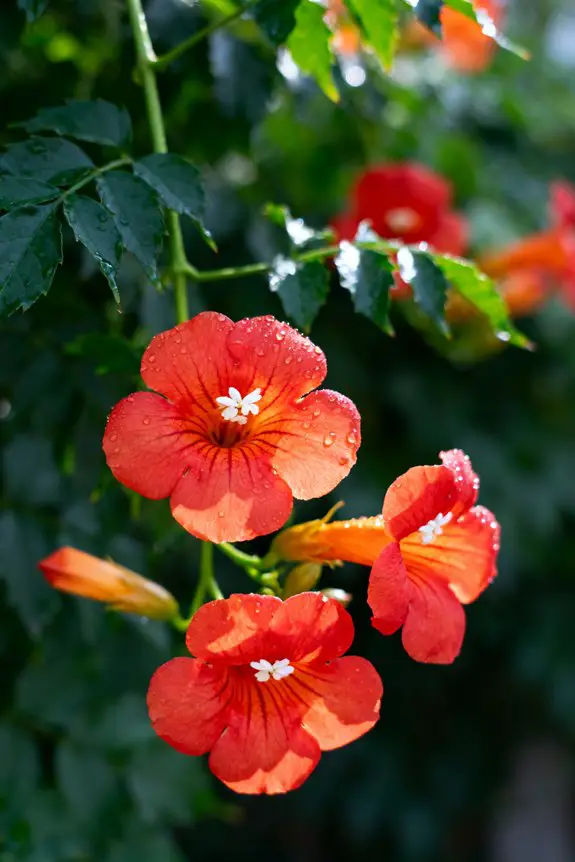
Crimson cascades of vibrant blooms drape elegantly across garden trellises, offering both breathtaking beauty and unexpected culinary delights. The scarlet runner bean produces stunning flowers that taste mildly sweet with delicate bean-like undertones, perfect for garnishing summer salads and desserts.
These brilliant red blossoms attract hummingbirds while providing gardeners with continuous harvests throughout the growing season. Their vibrant color transforms ordinary dishes into artistic masterpieces, adding visual drama to cheese platters and cold soups.
Best enjoyed fresh, these edible gems combine ornamental appeal with practical nourishment, making them essential additions to any productive garden space seeking both form and function.
Tuberous Begonias: Citrus-Tart Petals for Summer Dishes
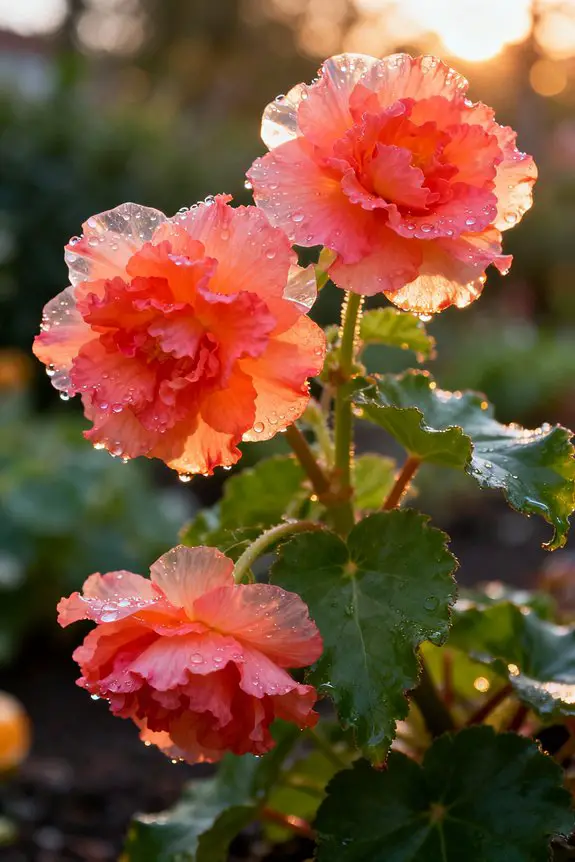
Ruffled petals in shades of coral, amber, and soft pink bring an unexpected tangy brightness to garden plates and summer beverages. Tuberous begonias benefits include their citrus-forward flavor, which adds a lemony punch to fruit salads and iced teas throughout the growing season.
These shade-loving beauties thrive in containers on covered patios, making them accessible for gardeners with limited sunny spaces.
Tuberous begonias care requires consistent moisture and protection from harsh afternoon sun, rewarding attentive growers with continuous blooms from late spring through early autumn.
Their delicate, crisp texture dissolves beautifully on the tongue, leaving a refreshing finish.
Anise Hyssop: Licorice-Scented Purple Spikes
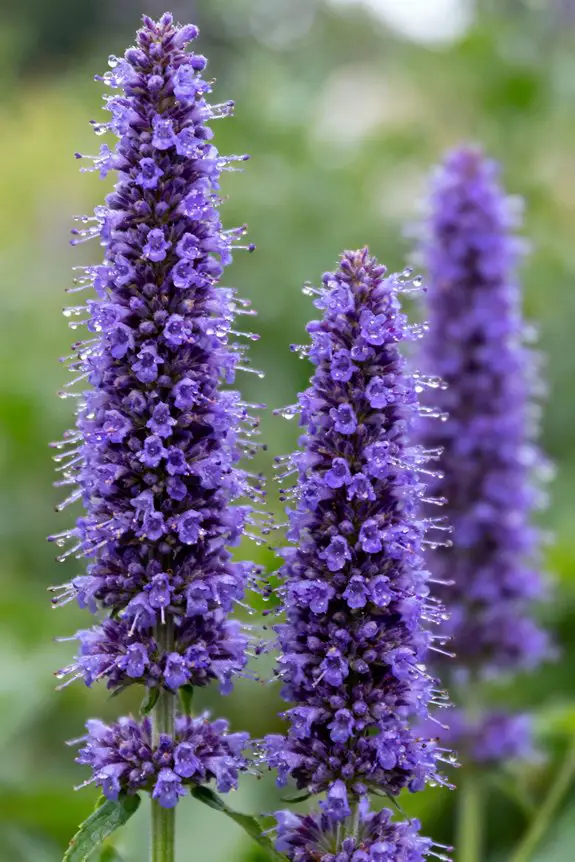
Tall purple flower spikes rise elegantly above bushy green foliage, releasing sweet anise fragrance into the summer air with every gentle breeze.
Anise hyssop benefits extend beyond visual beauty, offering delicate licorice-flavored blooms perfect for garnishing desserts, brewing soothing teas, and attracting countless butterflies and bees.
Anise hyssop cultivation proves remarkably simple, thriving in full sun with minimal water once established in well-draining soil.
The perennial returns faithfully each spring, growing three to four feet tall and blooming prolifically from midsummer through early fall, creating enchanting purple towers that transform ordinary garden spaces into fragrant, pollinator-friendly sanctuaries.
Pineapple Sage: Tropical-Flavored Red Blooms
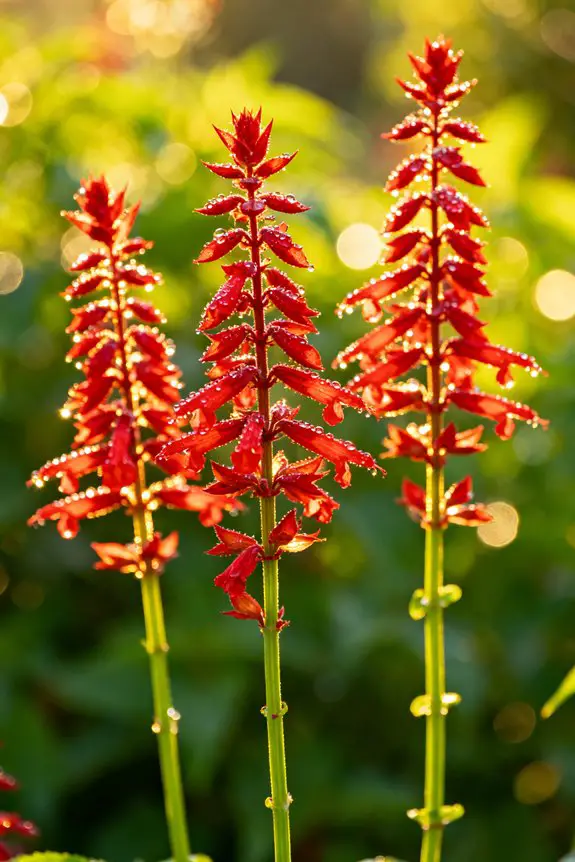
While purple spikes captivate with cooling licorice notes, vibrant scarlet tubular flowers deliver an entirely different sensory experience through their unexpected tropical pineapple flavor.
Pineapple sage benefits include attracting hummingbirds while providing culinary excitement for beverages and fruit salads.
This tender perennial thrives in tropical garden design schemes, creating lush subtropical ambiance in borders and containers.
| Feature | Description |
|---|---|
| Flower Color | Brilliant scarlet-red tubes |
| Leaf Aroma | Sweet pineapple fragrance |
| Height | 3-4 feet tall |
| Bloom Time | Late summer through frost |
| Growing Zone | Zones 8-11 |
The plant’s aromatic foliage releases intoxicating pineapple scent when brushed, transforming ordinary gardens into enchanting tropical paradises.
Society Garlic: Onion Flavor Without the Bulb
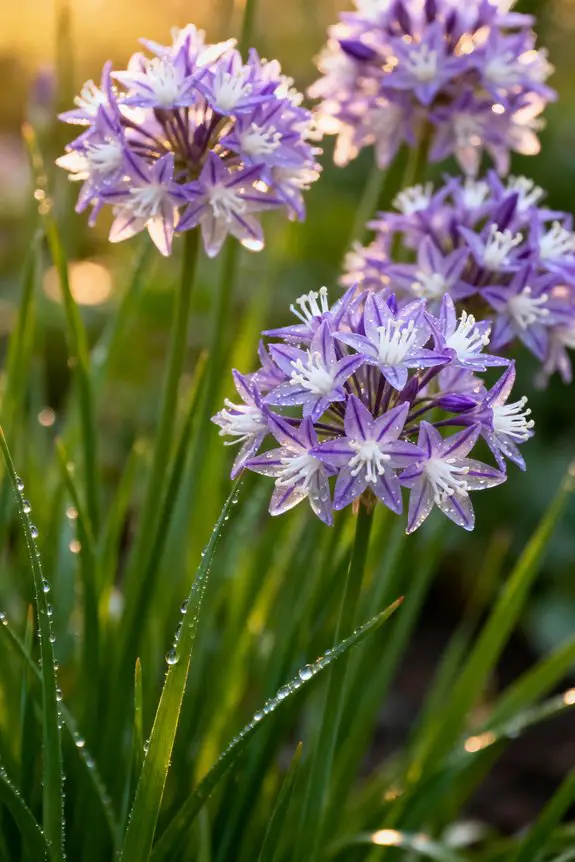
Delicate lavender-pink blooms rise gracefully above grass-like foliage, offering all the savory satisfaction of traditional garlic without requiring bulb cultivation or harvest.
Society garlic transforms garden beds into living pantries where beauty meets practicality in stunning harmony. Both leaves and flowers deliver mild onion-garlic flavors perfect for culinary applications in salads, soups, and garnishes.
Growing advantages include:
- Blooms continuously from spring through fall with minimal maintenance required
- Thrives in containers or borders with drought tolerance once established
- Provides year-round garlic uses as foliage remains evergreen in mild climates
This remarkable plant rewards gardeners with edible abundance and ornamental elegance simultaneously.
Calendula: The Golden, Peppery Pot Marigold
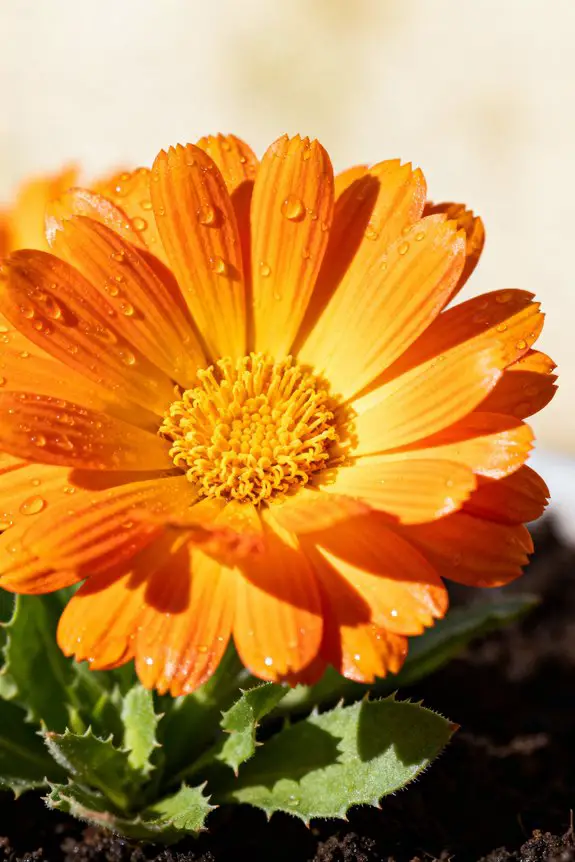
With sunshine captured in every cheerful petal, calendula brightens gardens while delivering a surprising peppery punch that elevates both salads and medicinal teas.
These golden-orange blooms thrive in cool weather, self-seeding generously for continuous harvests throughout the growing season.
Calendula benefits extend beyond culinary delights, as the flowers possess natural anti-inflammatory properties that soothe skin irritations and minor wounds.
Calendula recipes range from infused oils to decorative garnishes that transform ordinary dishes into artistic presentations.
The petals add subtle spice to rice dishes, soups, and baked goods, earning their historical nickname as “poor man’s saffron” for imparting similar golden hues.
Dianthus: Clove-Spiced Cottage Garden Favorite
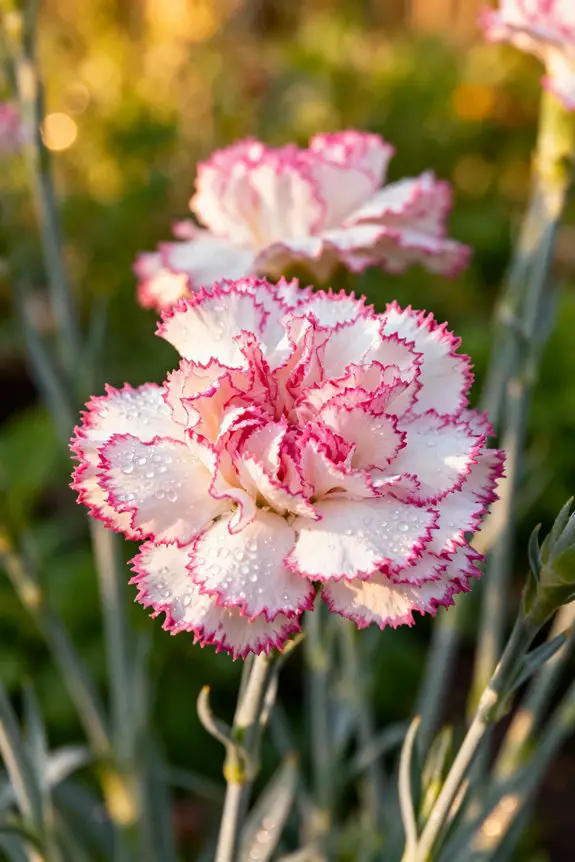
Cottage garden romantics have cherished dianthus for centuries, drawn to ruffled petals that taste remarkably like the clove spice tucked inside kitchen cupboards.
These charming blooms transform ordinary salads into restaurant-worthy presentations while offering genuine dianthus benefits beyond their striking appearance.
Popular dianthus varieties worth planting include:
- Sweet William with clustered blooms in burgundy, pink, and white
- Cheddar pinks offering delicate fringed edges and intense fragrance
- Carnations providing substantial petals perfect for crystallizing
Snip away the bitter white base before adding petals to desserts, beverages, or savory dishes.
Their spicy-sweet flavor elevates everything from butter spreads to champagne cocktails with old-fashioned charm.
Bee Balm: Minty Blooms in Brilliant Shades
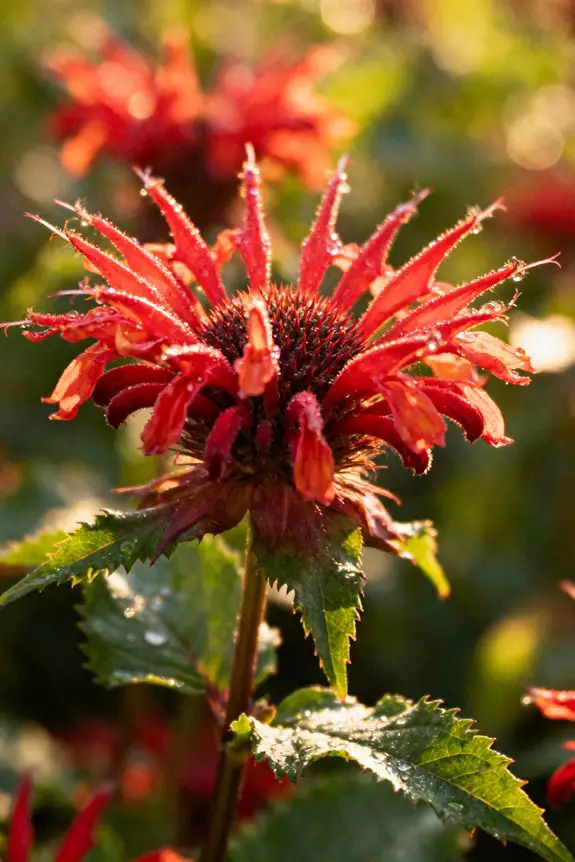
When summer arrives with its blazing heat, bee balm bursts forth in electric shades of scarlet, fuchsia, purple, and coral that seem to glow against deep green foliage.
These wild-looking perennials attract hummingbirds and butterflies while offering edible petals with a distinct citrus-mint flavor. The bee balm benefits extend beyond beauty, as the flowers make stunning tea that soothes throats and calms nerves.
Gardeners can explore bee balm recipes for salads, lemonades, and dessert garnishes that taste as vibrant as they look.
These hardy plants thrive in full sun, spreading generously to create drifts of color that transform ordinary garden spaces into extraordinary summer sanctuaries.