13 Indoor Plant Mistakes You’re Probably Making
Indoor plants promise to transform living spaces into lush sanctuaries filled with vibrant green foliage and peaceful energy.
Yet many plant parents watch their beloved specimens struggle with yellowing leaves, drooping stems, and stunted growth despite their best intentions.
The truth is that even dedicated enthusiasts often repeat the same thirteen mistakes without realizing how these simple missteps sabotage their indoor garden dreams.
Understanding these common pitfalls can mean the difference between thriving greenery and disappointing failures.
Quick Summary
- Overwatering causes root rot and drooping leaves; check soil moisture before watering and adjust schedules based on seasonal changes.
- Using incorrect soil types and pots without drainage holes prevents proper nutrient delivery and causes waterlogged, oxygen-deprived roots.
- Placing plants near heat vents or cold windows causes leaf damage and stunted growth; maintain three feet distance for stable conditions.
- Over-fertilization burns roots and creates toxic salt buildup; feed monthly during spring and summer using half-strength diluted fertilizer.
- Dust blocks photosynthesis and hides pests like spider mites; wipe leaves weekly and inspect new plants before adding to collections.
Overwatering Your Plants
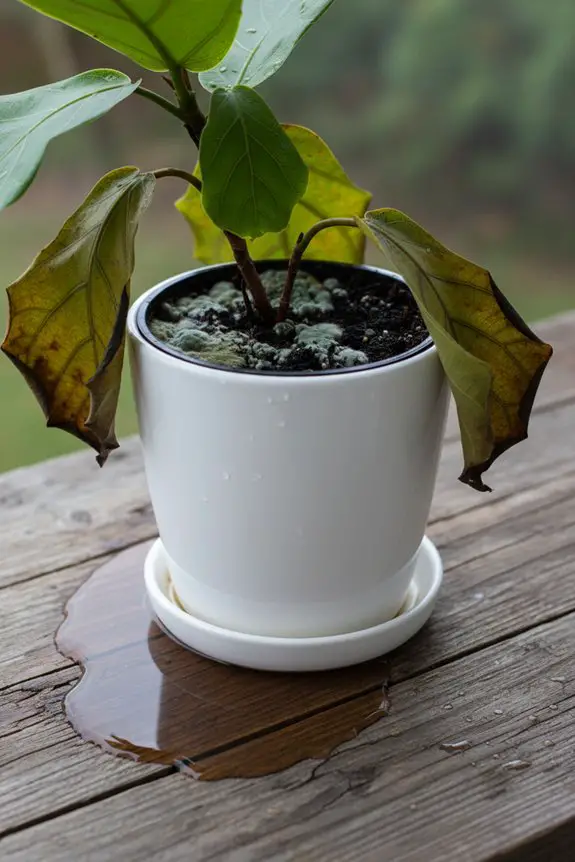
Of all the ways plant parents accidentally harm their green companions, overwatering stands as the most common culprit behind drooping leaves and failing roots.
When excess water saturates the growing medium, oxygen cannot reach delicate underground systems, creating the perfect environment for destructive root rot to flourish.
Learning to check soil moisture before watering transforms plant care from guesswork into confident action. A simple finger test reveals whether the top two inches feel dry and ready for hydration.
This mindful approach prevents waterlogged conditions while nurturing thriving, vibrant foliage that brings natural beauty indoors throughout every season.
Using the Wrong Type of Potting Soil
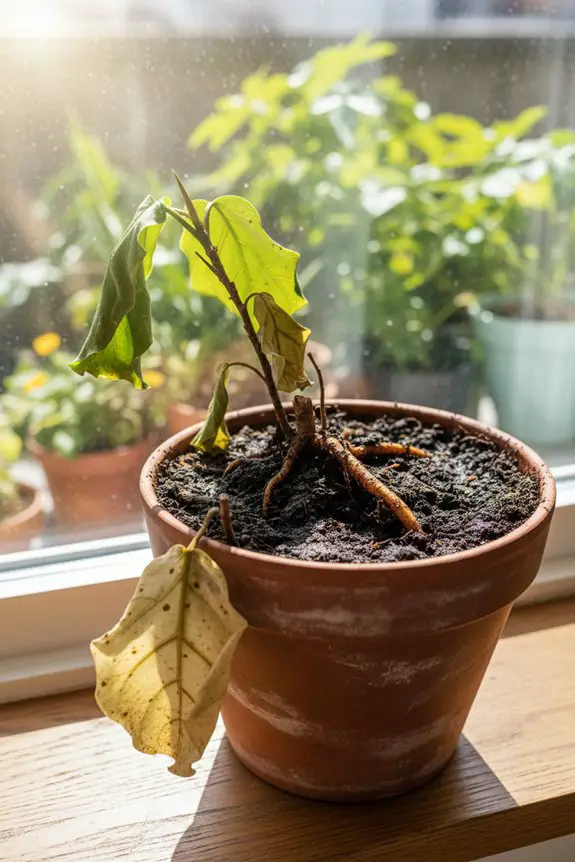
While mastering watering schedules protects plants from drowning, selecting appropriate potting soil creates the foundation where healthy growth begins.
Different potting soil types deliver specific nutrients and drainage levels that transform ordinary greenery into thriving botanical displays.
Cacti crave sandy, fast-draining mixtures that prevent root rot, while tropical beauties flourish in moisture-retaining blends rich with organic matter.
Understanding soil pH reveals another secret to success, as acid-loving ferns demand different conditions than alkaline-preferring succulents.
Choosing the perfect soil mixture turns windowsills into lush indoor gardens where every plant receives exactly what it needs to reach its full, magnificent potential.
Ignoring Drainage Holes in Your Containers
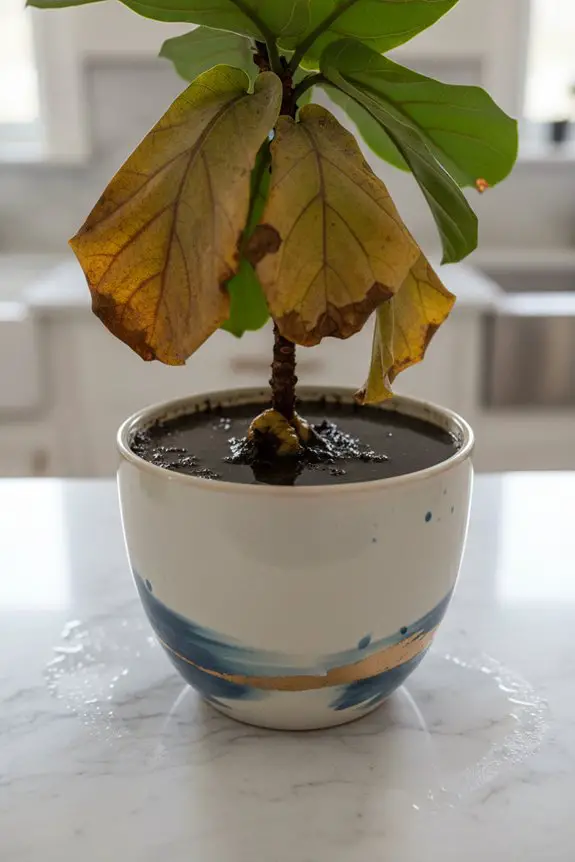
Those charming ceramic pots without drainage holes might catch your eye at garden centers, but they silently threaten plant survival with every watering session.
Understanding drainage importance transforms container selection from guesswork into scientific success. Water pools at the bottom of sealed vessels, creating soggy conditions that suffocate roots and invite fatal rot.
Smart gardeners drill holes into beloved containers or layer pebbles beneath soil, ensuring excess moisture escapes freely. This simple adjustment prevents waterlogged disasters while preserving aesthetic appeal.
Proper drainage creates the foundation for thriving indoor gardens, where roots breathe easily, and plants flourish beyond expectations.
Placing Plants in Incorrect Light Conditions
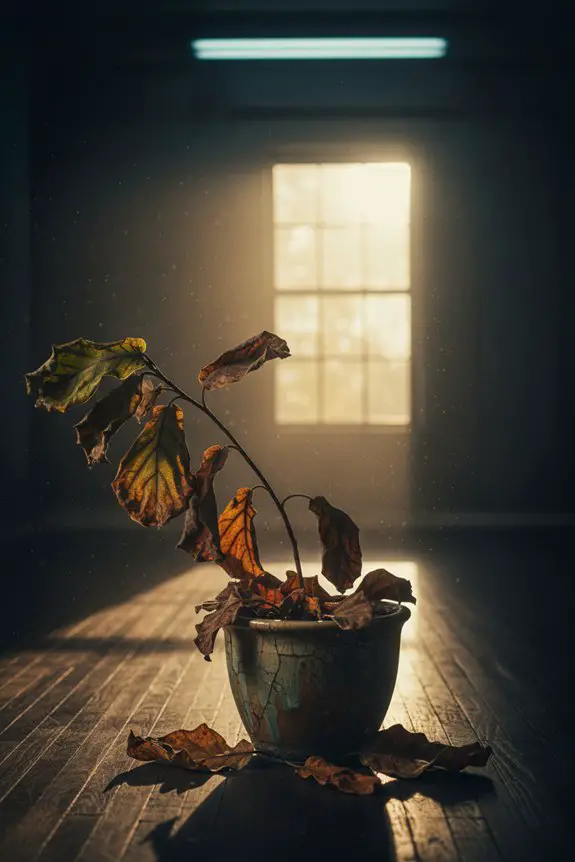
Beyond drainage concerns lies another silent saboteur that dims the importance of countless houseplants: mismatched lighting conditions.
Each plant species carries unique light intensity requirements, from sun-loving succulents craving bright windowsill beams to shade-dwelling ferns preferring gentle, filtered rays.
Placing a tropical beauty meant for dappled forest light directly under harsh afternoon sun scorches delicate leaves brown. Conversely, tucking light-hungry cacti into dim corners starves them, leading to weak, stretched growth and faded colors.
Understanding your plant species’ natural habitat illuminates the path toward vibrant, thriving greenery that transforms rooms into lush, peaceful sanctuaries filled with life.
Forgetting to Adjust Your Watering Schedule Seasonally
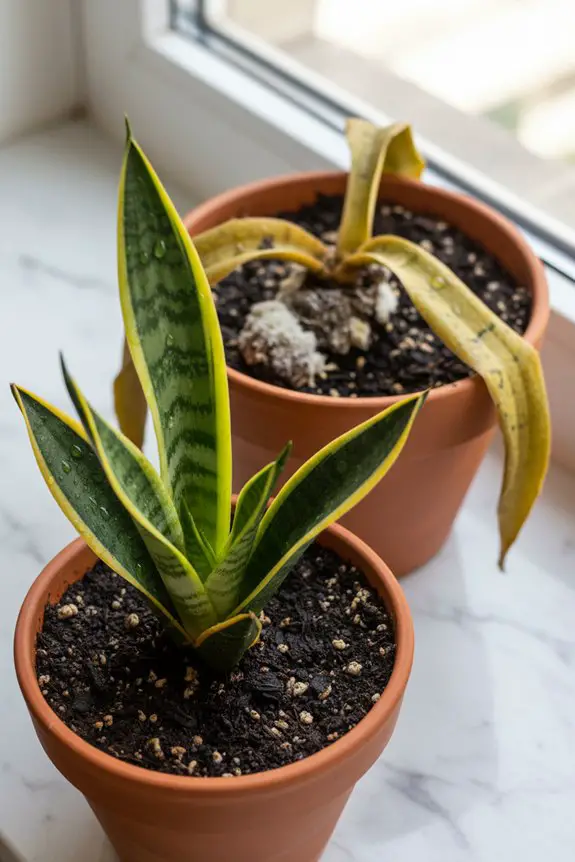
As seasons shift from summer’s warmth to winter’s chill, houseplants quietly adjust their growth rhythms. Yet many indoor gardeners continue pouring water at the same steady pace year-round.
This oversight leads to soggy roots and yellowing leaves during dormant months when plants sip rather than gulp.
Developing seasonal awareness transforms plant care into an intuitive dance with nature’s calendar. Winter demands less frequent plant hydration as growth slows and soil retains moisture longer in cooler temperatures.
Spring awakens thirsty roots ready for generous drinks, while summer heat accelerates evaporation. Matching watering rhythms to seasonal changes creates thriving green sanctuaries that flourish beautifully.
Indoor plants may require less water during winter dormancy when their metabolic processes naturally slow down.
Skipping Regular Dusting and Leaf Cleaning
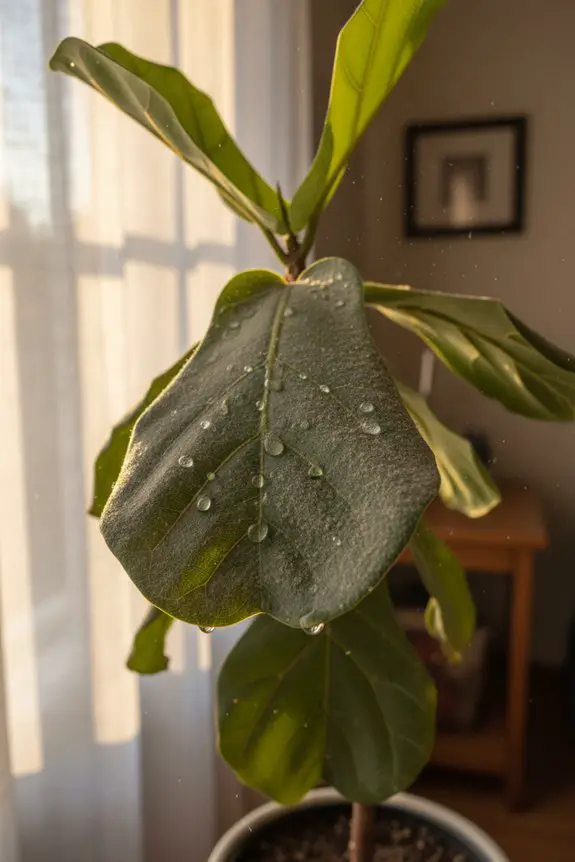
While proper watering keeps roots healthy beneath the soil surface, glossy leaves above ground need their own regular maintenance routine to capture sunlight effectively.
Dust accumulation blocks precious rays from reaching chlorophyll-rich cells, creating a dull barrier that weakens photosynthesis dramatically.
Transform cloudy foliage into vibrant green canvases by gently wiping each leaf with soft, damp cloths every two weeks.
| Cleaning Method | Best For |
|---|---|
| Damp microfiber cloth | Large, smooth leaves |
| Soft paintbrush | Fuzzy, textured surfaces |
| Lukewarm shower | Multiple small-leafed plants |
| Natural leaf shine spray | Special occasions only |
This simple ritual restores natural brilliance without harsh chemicals.
Repotting Too Frequently or Not Enough
Most houseplant enthusiasts struggle with timing their repotting schedule, either shuffling their green companions into new containers far too often or leaving them cramped for years.
Overpotting issues create soggy soil conditions that suffocate delicate roots, while delayed transplanting causes circling roots that strangle themselves.
The sweet spot arrives when roots gently peek through drainage holes, signaling readiness for their next home.
Checking root health each spring reveals whether plants need fresh space or simply benefit from nutrient-rich soil refreshment.
Perfect timing transforms stressed specimens into thriving botanical beauties that flourish with vibrant leaves and strong, spreading root systems.
Misting When You Should Be Increasing Humidity Differently
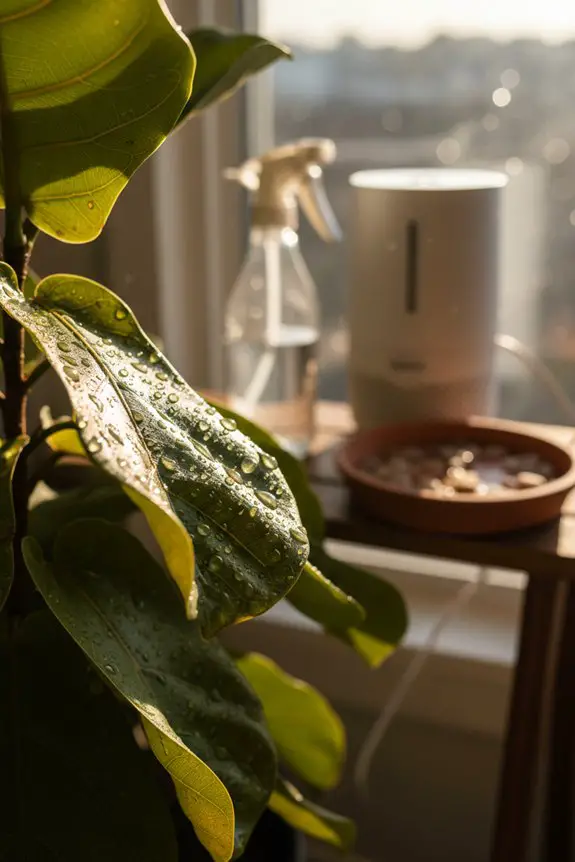
Though spray bottles promise tropical paradise with every pump, they deliver only fleeting moisture that evaporates within minutes of touching glossy leaves.
Misting frequency becomes exhausting when plants need constant attention, leaving caregivers frustrated and foliage still thirsty for proper humidity levels.
| Ineffective Method | Superior Humidity Alternatives |
|---|---|
| Daily misting rituals | Pebble trays filled with water |
| Spray bottle routines | Plug-in humidifiers nearby |
| Frequent hand spraying | Grouping plants together closely |
| Multiple misting sessions | Bathroom shower steam sessions |
| Constant leaf wetting | Grouping plants closely |
True humidity transforms spaces into lush sanctuaries where ferns unfurl and calatheas stretch their painted leaves toward filtered sunlight.
Using Cold or Chlorinated Tap Water Directly
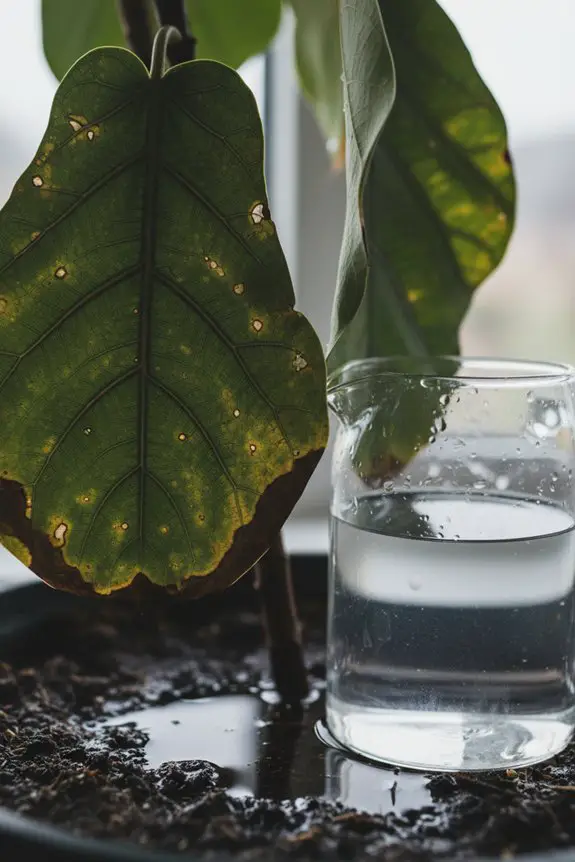
Beyond the humidity equation lies another water-related pitfall that sends sensitive roots into shock and leaves in decline.
Cold tap water jolts tropical plants accustomed to warm rainfall, while chlorinated water burns delicate root hairs and prevents nutrient absorption.
Smart plant parents fill watering cans the night before, allowing water temperature to reach comfortable room levels and chlorine to evaporate into the air.
This simple overnight rest transforms harsh municipal water into a gentle drink that roots eagerly embrace.
Water quality matters immensely, turning routine watering from a potential stressor into a nourishing ritual that keeps foliage vibrant and thriving.
Positioning Plants Near Heat Vents or Drafty Windows
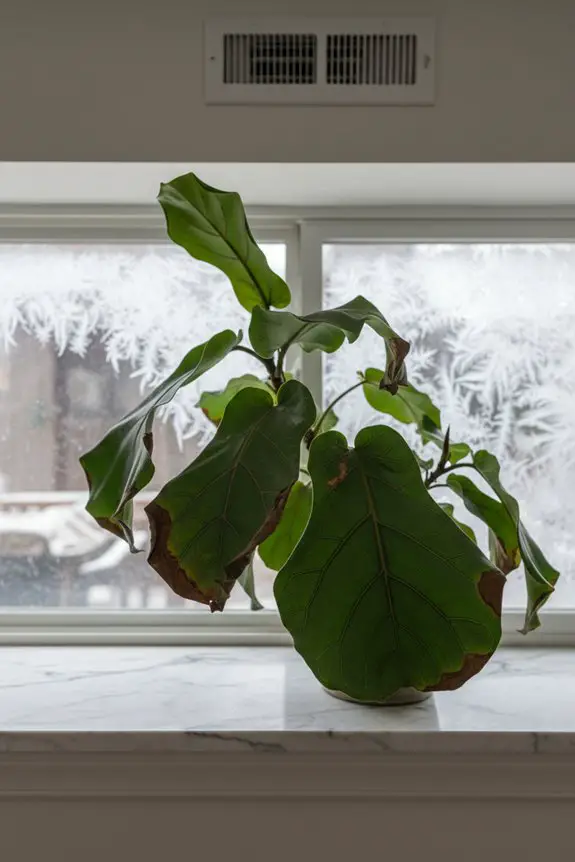
While that sunny windowsill or cozy spot beside the heating vent seems perfect for greenery, these locations create invisible battlefields where temperature extremes wage war against plant health.
Direct heat exposure transforms lush leaves into crispy brown edges, while drafty windows subject tropical beauties to shocking cold blasts. These temperature fluctuations stress plants beyond recovery, causing leaf drop and stunted growth.
Position greenery three feet away from vents and windows, creating stable microclimates where foliage thrives consistently.
Strategic placement rewards gardeners with vibrant emerald leaves and steady growth, transforming challenging spaces into flourishing indoor sanctuaries of natural beauty.
Fertilizing at the Wrong Times or Wrong Amounts
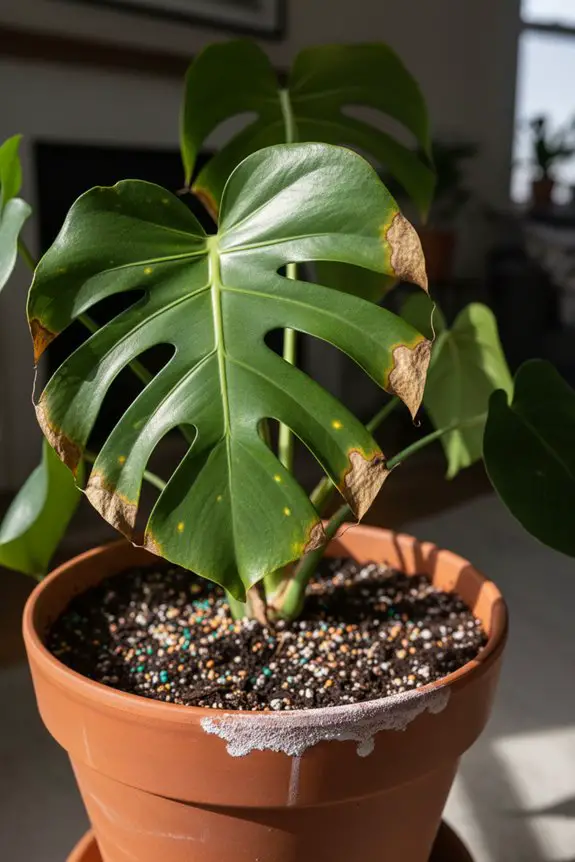
The overeager gardener armed with liquid fertilizer becomes an accidental villain in the indoor plant narrative, transforming nourishment into poison through misguided timing and excessive applications.
Plants drowsing through winter months require minimal feeding, yet many enthusiasts maintain aggressive summer schedules year-round. This timing frequency misstep burns delicate roots and creates toxic salt buildups in soil.
Meanwhile, neglecting proper nutrient balance produces yellowing leaves and stunted growth.
The solution sparkles with simplicity: feed actively growing plants monthly during spring and summer, then pause completely when autumn arrives.
Dilute formulas to half-strength, allowing roots to sip nutrients gently rather than gulp them desperately.
Ignoring Pest Problems Until They’re Out of Control
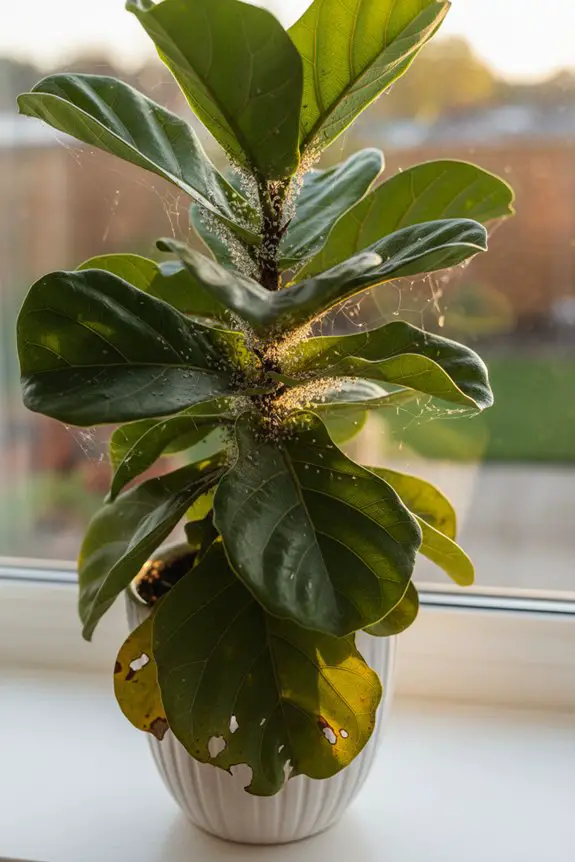
Spider mites and mealybugs arrive as silent infiltrators, establishing microscopic colonies beneath leaf undersides while plant owners admire only the surface beauty above.
These tiny invaders multiply rapidly, transforming healthy green foliage into yellow, spotted disappointments before gardeners realize the damage.
Effective pest prevention strategies include:
- Inspecting new plants thoroughly before introducing them to indoor collections
- Wiping leaves weekly with damp cloths to remove dust and detect early infestations
- Maintaining proper humidity levels that discourage spider mite reproduction
Organic pest control methods like neem oil sprays and insecticidal soaps offer gentle solutions.
Neem oil is effective against indoor pests like aphids and mites and can be easily applied using a spray bottle, promoting healthy indoor plant growth.
Early intervention transforms potential disasters into manageable victories, preserving vibrant plant displays.
Keeping Plants in Their Nursery Pots Too Long
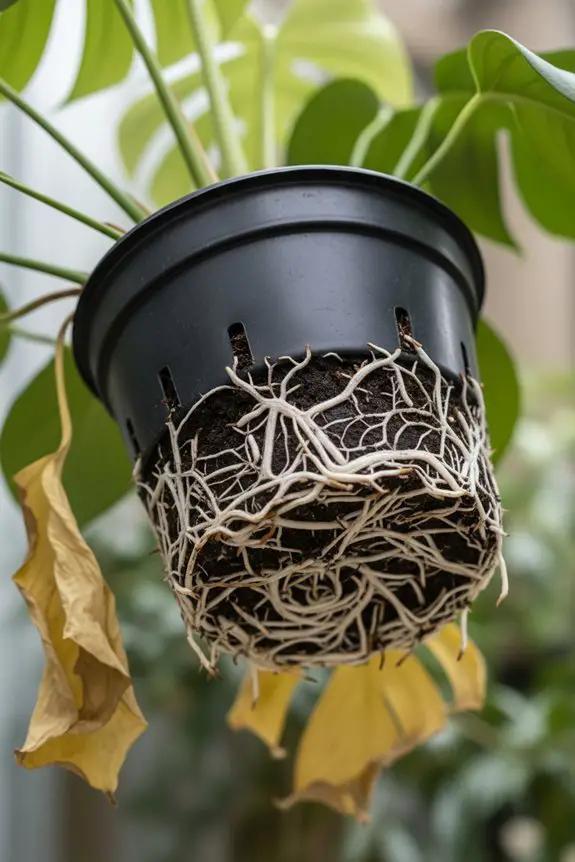
Many indoor gardeners celebrate bringing home a gorgeous new plant, then leave it languishing in its original plastic container for months or even years.
Those flimsy nursery pots restrict root development and limit the plant’s potential for lush, vibrant growth. Roots circle endlessly inside cramped spaces, creating tangled masses that prevent proper water absorption and nutrient uptake.
Choosing the right pot size transforms struggling plants into thriving specimens with strong stems and brilliant foliage.
Transplanting into beautiful ceramic or terracotta containers gives roots room to spread freely, encouraging robust growth that creates the stunning indoor garden every plant lover dreams of achieving.